
Cat Veterinarian in Morristown, Tennessee
Cats often show few signs of illness until a problem has become more advanced, so regular veterinary care is an important part of long-term health.
Why regular exams matter for cats
Cats are experts at hiding illness. By the time a cat looks sick, a problem has often been building for weeks. That is why routine exams matter: they catch weight loss, dental disease, heart murmurs, kidney changes, and joint pain while they are easiest to manage.
Both of our veterinarians, Dr. Jacob Harris and Dr. Matthew Harlan, practice mixed animal medicine.
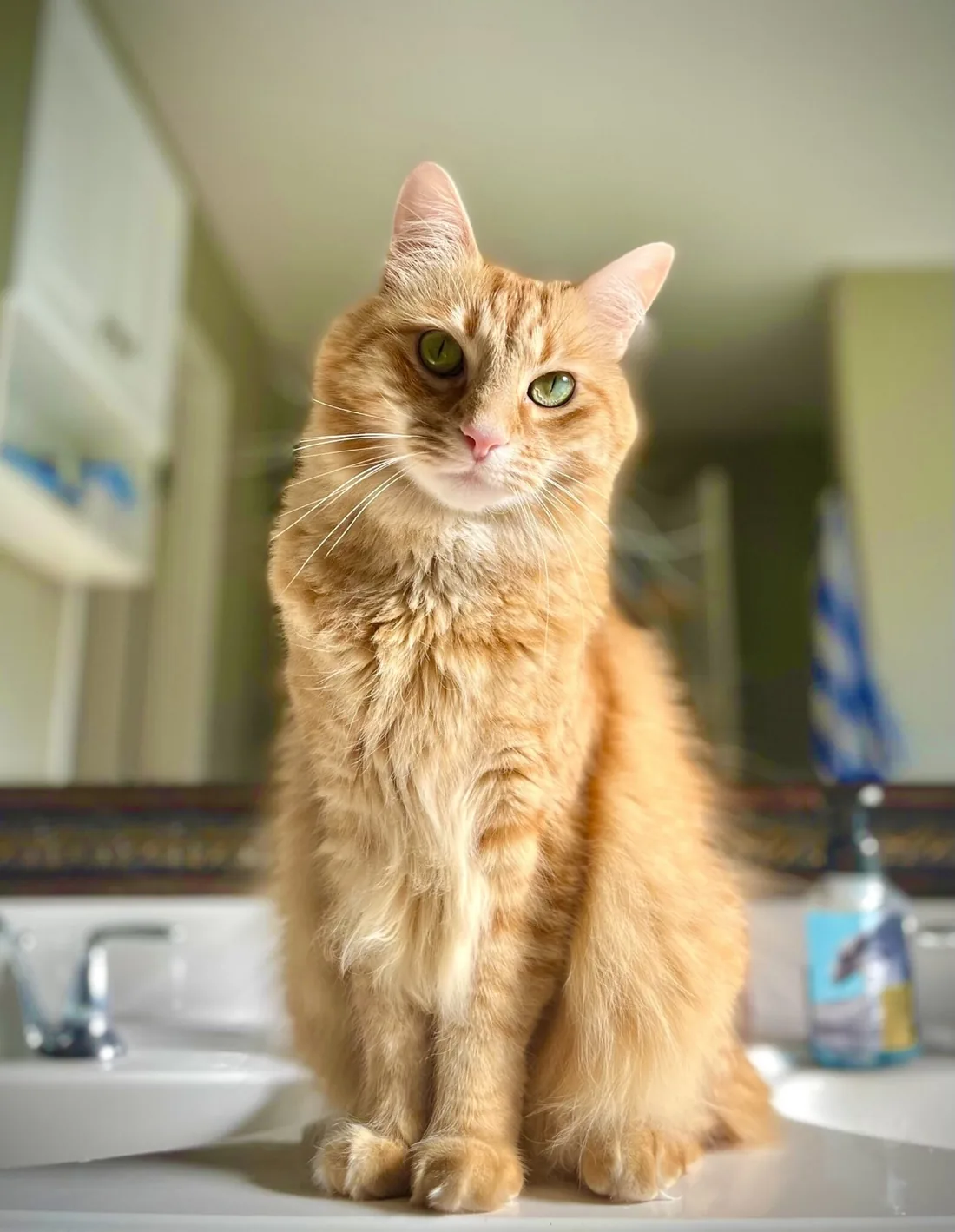
Care we provide
- Wellness exams
- Vaccinations for kittens and adult cats
- Flea, tick, and parasite prevention
- Dental care
- Surgery, including spays and neuters
- Comprehensive care for cats and kittens, tailored to each cat
- After-hours emergency referral to a 24/7 hospital in Knoxville
Signs your cat should be seen
Subtle changes are worth a call. Watch for changes in appetite or water intake, litter box habits, hiding, weight loss, bad breath, reduced grooming, or reluctance to jump.
Call right away
A cat, especially a male cat, that is straining in the litter box or producing little or no urine may have a urinary blockage. This is an emergency. Call us immediately during clinic hours. After hours, see our emergency care information.
Kittens and senior cats
Kittens
Kittens need a series of vaccines and exams in their first months, plus parasite prevention and a plan for spay or neuter. Starting early builds a calm, positive relationship with the clinic.
Senior cats
Older cats often benefit from exams every six months. Dental disease is very common in cats and can quietly affect appetite and overall health, so we look at the mouth at every visit.
Frequently asked questions
Do indoor cats need vaccines?
Yes. Indoor cats still need core vaccines, and Tennessee law requires rabies vaccination for cats. Indoor cats can be exposed when they slip outside, and disease can be carried in on shoes and clothing. Your veterinarian will recommend a schedule based on your cat.
How often should my cat see the vet?
Healthy adult cats should be seen at least once a year. Kittens need a series of visits, and senior cats or cats with chronic conditions often benefit from exams every six months.
How can I tell if my cat is sick?
Changes in eating, drinking, litter box habits, energy, grooming, or hiding are the most common early signs. If something seems different, call us. Cats rarely improve on their own.
Do you offer dental care for cats?
Yes. We offer dental cleanings, extractions, and oral surgery for cats.

Care for your cats starts here
Grand Opening Specials run through October 31, 2026. Book a visit or call to ask about a farm call.