
Sheep Veterinarian in Morristown, Tennessee
Healthy sheep start with proactive veterinary care.
Veterinary care for flocks large and small
Healthy sheep start with proactive veterinary care. We provide health management, parasite control, and reproductive services for the common and critical conditions that arise in sheep, and we can come to your farm to do it.
Both of our veterinarians, Dr. Jacob Harris and Dr. Matthew Harlan, practice mixed animal medicine.
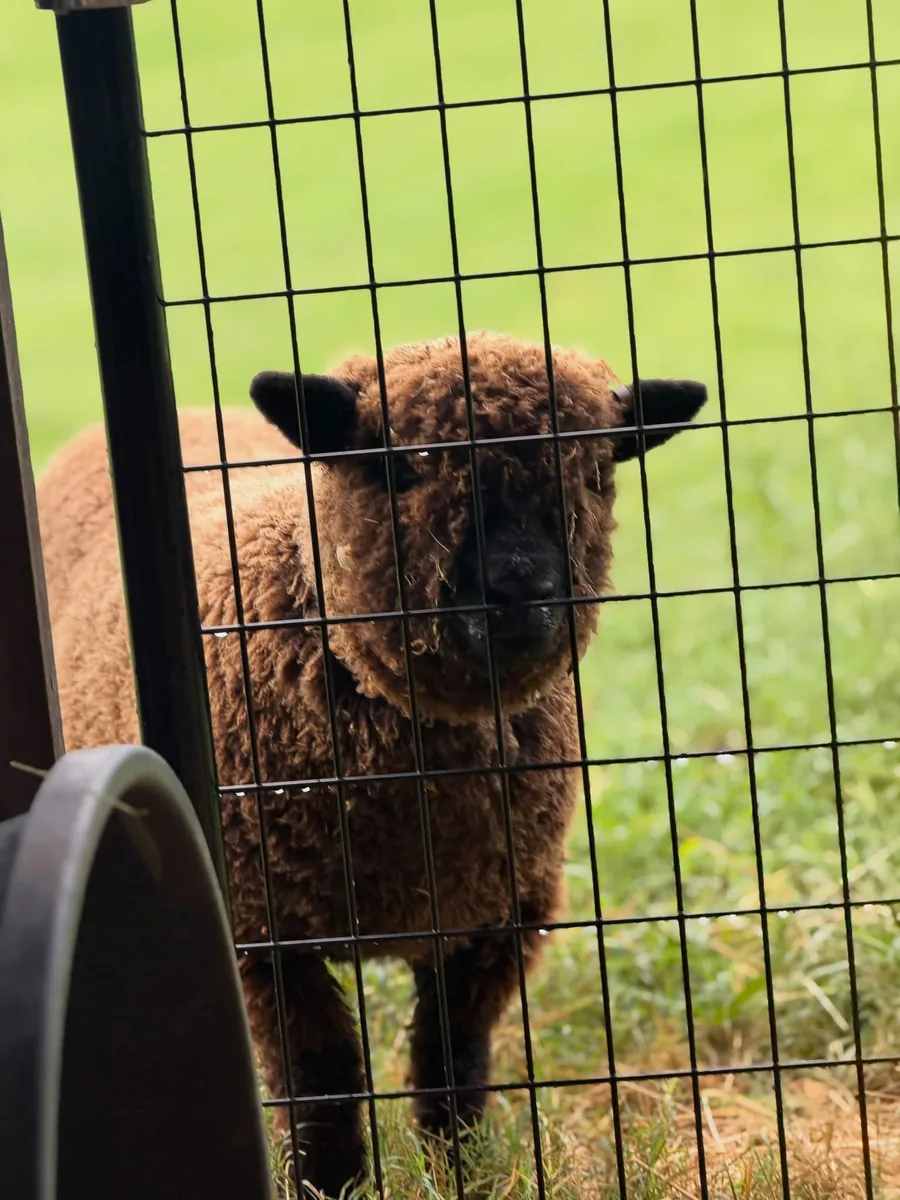
Care we provide
- Health management
- Parasite control
- Reproductive services
- Treatment of common and critical medical conditions
- Ambulatory farm calls
- Emergency services after-hours and on weekends
Sheep are not small goats
Sheep have needs that differ from goats and cattle. The most important is copper. Sheep are highly sensitive to copper, and minerals formulated for goats or cattle can poison them. Feed sheep-specific minerals, and keep other species' feed and mineral out of reach.
Sheep are also very vulnerable to the barber pole worm. Anemia shows as pale inner eyelids, weakness, and bottle jaw. Because dewormer resistance is widespread, FAMACHA scoring and fecal egg counts should guide treatment instead of a fixed schedule.
Breeding, lambing, and wet-weather problems
Breeding decisions set the lambing calendar about five months later. Body condition and vaccines, including CD&T against overeating disease and tetanus, should be in order before breeding. Wet weather also raises the risk of foot rot and foot scald. See the sheep and goat section of our fall health checklist for what we watch this time of year.
Frequently asked questions
Why can sheep not eat goat or cattle minerals?
Sheep are highly sensitive to copper, and many goat and cattle minerals contain copper at levels that can poison sheep. Use a mineral made for sheep.
How do I know if my sheep have worms?
Pale inner eyelids, weakness, poor body condition, and swelling under the jaw (bottle jaw) are common signs. Fecal egg counts and FAMACHA scoring help us decide who needs treatment.
What should I do before breeding season?
Check body condition, review vaccines, and make a plan for lambing months ahead. Talk with us before breeding so we can tailor the plan to your flock.
Do you make farm calls for sheep?
Yes. We offer ambulatory large- and farm-animal services.

Care for your sheep starts here
Grand Opening Specials run through October 31, 2026. Book a visit or call to ask about a farm call.